Source Tractor Powered Chain Trencher for Farming, Landscaping, and Utility Work
Compare 30 Tractor Powered Chain Trencher options from verified Chinese suppliers. These machines feature diesel or tractor power sources, variable trenching depths, and chain trencher types suitable for agriculture and utility applications.
Key considerations
Products List


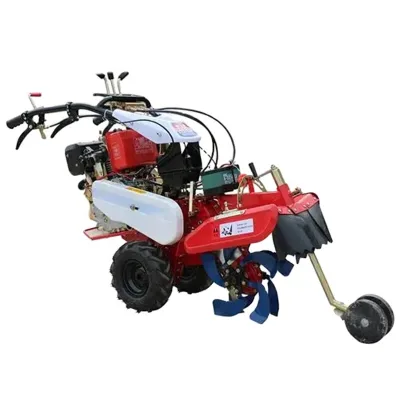


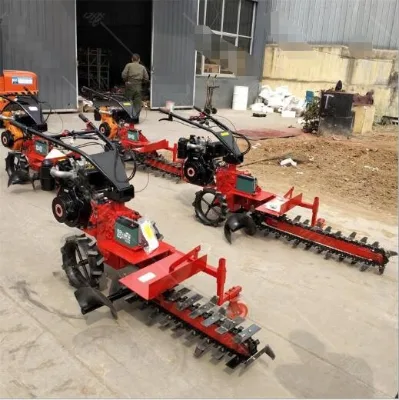
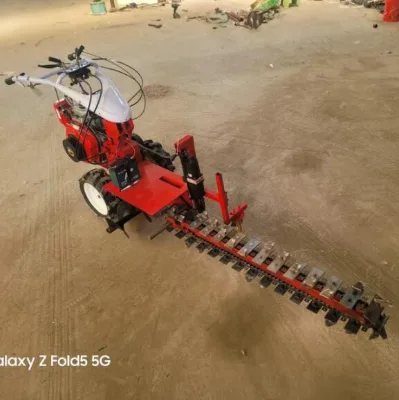


Heavy-Duty Tractor-Mounted Chain Trencher for Versatile Ditch Creation
$150.00 - $200.00
MOQ: 1 Pieces

Chain Trencher Agricultural Disc Ditcher with High Efficiency of Tractor Mounted
$150.00 - $200.00
MOQ: 1 Pieces

Tractor Mounted Chain Trencher to Work in Any Ground of Making Ditches Trenches
$150.00 - $200.00
MOQ: 1 Pieces
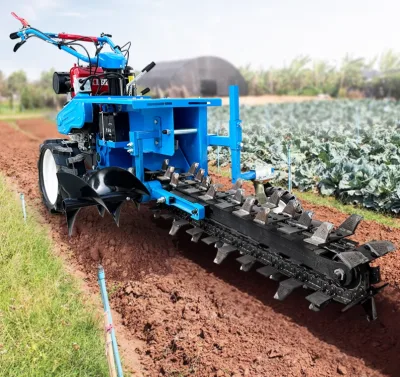
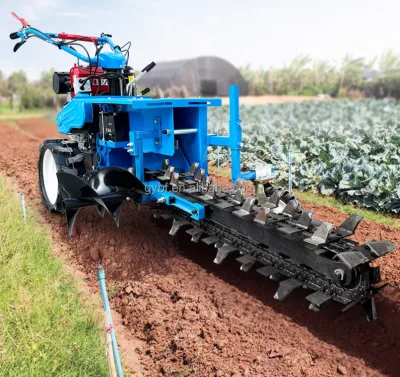
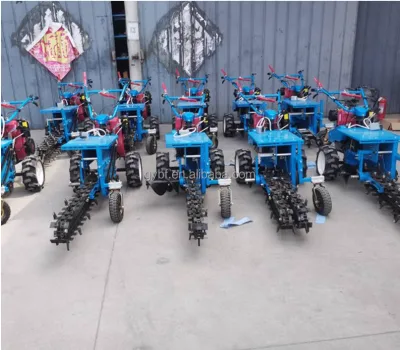
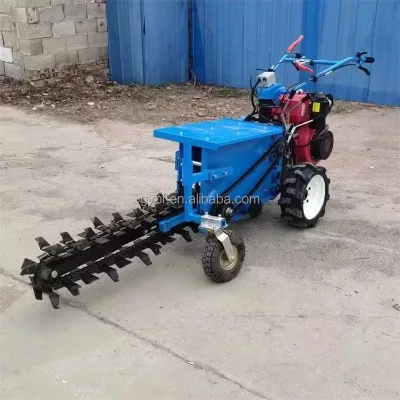
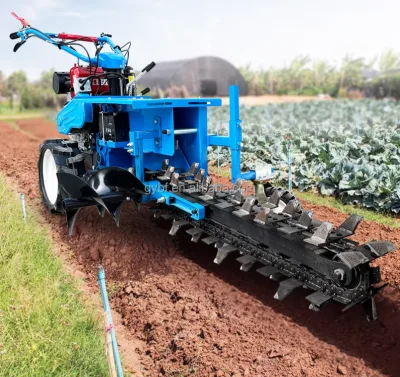
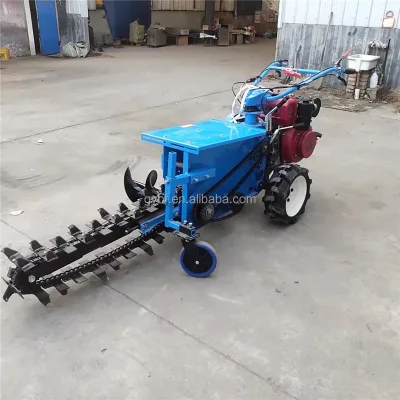


High Quality Chain Trencher Tractor Ditching Machine Professional Trenching Machine
$1800.00 - $2000.00
MOQ: 1 Pieces


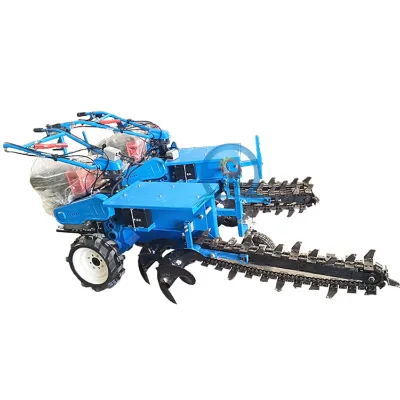
Comprehensive Sourcing Guide
Strategic Sourcing Guide for Tractor-Powered Chain Trenchers
Understanding the Core Technology and Operational Mechanics
When sourcing a tractor-powered chain trencher, buyers must first distinguish between the specific mechanical configurations available in the current market. The core keyword "Tractor Powered Chain Trencher" encompasses a range of hydraulic and mechanical attachments designed to be mounted on existing agricultural or construction tractors. These machines utilize a continuous chain fitted with cutting teeth to excavate trenches for irrigation, drainage, cabling, or fencing. The operational efficiency of these units is heavily dependent on the power transmission method and the movement system employed.
Based on observed product attributes, the market offers units with distinct power sources, including diesel engines and direct tractor hydraulic drives. Some models are designed with a specific power requirement ranging from 50 to 220 horsepower, indicating that the tractor's hydraulic output must be matched precisely to the trencher's capacity. The movement system is another critical differentiator; while some units are designed to be pulled or mounted on wheel-based systems, others feature crawler loader configurations for enhanced stability in soft or uneven terrain. The speed of operation varies significantly, with observed ranges spanning from 80 to 500 meters per hour. This variance suggests that buyers should not assume a uniform performance rate but must verify the specific speed capabilities against their project timelines.
The operation mode is also a key technical consideration. Certain units are engineered for high-speed, repeated trenching operations, optimizing throughput for large-scale agricultural projects. Conversely, other configurations may be optimized for low-speed, single-pass operations into a ditch, which might be preferable for precision work or delicate soil conditions. The working depth is another variable attribute; while some specifications list a maximum trenching depth of 1220mm or 915mm, other models indicate an optional working depth that can extend below 2200mm. Buyers must treat these numerical values as specific observations for particular models rather than universal standards for all tractor-powered trenchers.
Technical Specifications and Performance Verification
To ensure a trencher meets the specific demands of a project, buyers must scrutinize the technical specifications provided by suppliers. The working width is a critical dimension that often remains optional or customizable. Observed data indicates working widths can range from 150mm to 1000mm, allowing for flexibility in trench dimensions. However, because this attribute is frequently listed as "Optional," it is imperative for buyers to confirm the exact width configuration before finalizing an order. The physical dimensions of the machinery also vary; standard product standards have been observed at 2500950900mm, while other specifications reference volume capacities such as 4CBM, which may relate to the hopper or transport capacity of integrated units.
The material composition of the trencher is fundamental to its durability. High-quality units are constructed from carbon steel, a material choice that balances strength with resistance to wear and tear during excavation. The core components of these machines typically include the engine, motor, and the tractor hydraulic chain trencher assembly itself. The number of spirals or the configuration of the chain is another technical detail; while some listings describe the type as a "Chain Trencher" with specific spiral counts, the exact configuration should be verified to ensure compatibility with the intended soil type.
Furthermore, the voltage requirements for electric components, if applicable, are listed as 220V/380V. This highlights the need for buyers to verify the electrical infrastructure of their site or the tractor's electrical system if the trencher includes electric controls or lighting. The weight of the unit is another factor to consider for transport and mounting; specific models have been recorded at 150kg, but heavier industrial units will require different logistical planning. The power source is often a 12HP diesel engine for standalone units, or a direct hydraulic connection to a tractor, requiring the buyer to match the tractor's hydraulic flow and pressure ratings to the trencher's requirements.
Compliance, Certification, and Regulatory Standards
Navigating the regulatory landscape is essential for international procurement. Buyers must verify that the equipment meets the certification standards required for their specific market. The observed product data indicates a range of certifications, including CE, EPA, EU, and ECE. The CE mark is a high-confidence fact, suggesting compliance with European health, safety, and environmental protection standards. However, the presence of EPA certification is also noted, which is critical for markets in North America or regions with strict emissions regulations.
In addition to product certifications, machinery test reports are often provided by suppliers. These reports serve as independent verification of the machine's performance and safety features. Buyers should request these reports to confirm that the trencher has undergone rigorous testing for structural integrity and operational safety. The key selling points often include a "High Safety Level," which should be substantiated by the test data and compliance documentation.
Standard compliance is another area requiring careful attention. While some products adhere to EEC, SGS, and OECD standards, others may reference different national or international standards. The "prod_standard" attribute has been observed with values like 2500950900mm, which appears to be a dimensional standard rather than a regulatory one, but buyers should look for explicit references to safety and environmental standards. It is crucial to note that certification status is not universal; a specific model may carry CE certification while another does not. Therefore, buyers must explicitly request certification documentation for the exact model number they intend to purchase, rather than assuming all listed trenchers possess the same regulatory clearance.
Cost Drivers and Procurement Economics
The pricing of tractor-powered chain trenchers is influenced by several variables, including the power source, customization options, and the complexity of the hydraulic system. The observed price range in the market spans from 150 to 5000 USD. This wide disparity suggests that the cost is not solely determined by the base machine but is heavily influenced by the specific configuration, such as the working width, depth capabilities, and the inclusion of additional features like specialized cutting chains or enhanced safety systems.
The minimum order quantity (MOQ) is a significant factor in procurement planning. In the observed data, the MOQ is consistently listed as 1 set or 1 unit. This low threshold makes these machines accessible for small-scale farmers and individual contractors, but it also means that buyers should be prepared to negotiate based on volume if they are purchasing multiple units. The selling units are typically listed as "Single item," reinforcing the flexibility of the market for individual purchases.
Customization is a major cost driver. The attribute "Customization: Available" indicates that buyers can tailor the trencher to their specific needs, such as adjusting the working width or modifying the chain configuration. While this offers flexibility, it may also increase the lead time and cost compared to standard off-the-shelf models. The packaging method, whether "Standard Wooden Package," "Steel Frame Package," or "Iron Crates," also impacts the final cost, as robust packaging is necessary for international shipping to prevent damage during transit.
Typical Applications and Industry Use Cases
Tractor-powered chain trenchers are primarily designed for the agriculture sector, as indicated by the "Application Field: Agriculture" attribute. However, their utility extends to various other industries requiring efficient trenching solutions. The primary function is trenching, which is essential for installing irrigation systems, drainage pipes, electrical conduits, and fencing. The high efficiency of these machines makes them particularly suitable for large-scale agricultural operations where time and labor costs are critical factors.
The "Advantage: Higher Efficiency" noted in product attributes suggests that these trenchers are optimized for speed and productivity. The speed range of 80-500m/h allows for rapid completion of trenching tasks, which is vital for seasonal agricultural work. The "Feature: Easy Operation" further enhances their appeal to operators who may not have extensive experience with heavy machinery, reducing the learning curve and minimizing operational errors.
For construction and landscaping projects, the versatility of the trencher is a key benefit. The ability to adjust the working depth and width allows for the creation of trenches of varying sizes to accommodate different pipe diameters and cable types. The "Moving way" options, such as wheel or crawler loader configurations, ensure that the machine can operate in diverse terrain conditions, from hard-packed soil to soft, muddy fields. The "Key Selling Points: High Safety Level" are particularly relevant in construction environments where operator safety is paramount.
Supplier Evaluation and Quality Assurance
Evaluating suppliers requires a focus on transparency, reliability, and the ability to provide comprehensive product information. Buyers should look for suppliers who provide detailed machinery test reports and clear documentation of core components. The presence of a "2 Years" warranty is a strong indicator of supplier confidence in the product's durability and quality. This warranty period should be clearly defined in the contract, covering specific components such as the engine, motor, and hydraulic system.
The origin of the product is another critical factor. The observed data indicates that many trenchers originate from China, specifically from regions like Henan. While this does not inherently imply lower quality, it does mean that buyers must be vigilant about verifying the manufacturing standards and quality control processes employed by the supplier. The "Main Market: Global" attribute suggests that these products are intended for international distribution, but buyers should still verify that the supplier has experience in exporting to their specific region and can navigate local import regulations.
Quality control should be a priority throughout the procurement process. Buyers should request evidence of the "High Safety Level" and "Easy Operation" claims through video demonstrations or third-party testing results. The material composition, specifically the use of carbon steel, should be verified to ensure it meets the required strength standards for the intended application. Additionally, the packaging method, such as "Wooden Case" or "Iron Crates," should be inspected to ensure it provides adequate protection during shipping.
Long-Term Procurement and Maintenance Considerations
Sourcing a tractor-powered chain trencher is not just a one-time transaction but the beginning of a long-term operational relationship. Buyers must consider the availability of spare parts, the ease of maintenance, and the overall lifecycle cost of the equipment. The "Core Components" such as the engine and motor are critical points of failure; therefore, buyers should ensure that the supplier offers a reliable supply chain for replacement parts. The "Warranty: 2 Years" provides a safety net, but buyers should also inquire about the cost and availability of parts beyond the warranty period.
The "Customization: Available" attribute implies that the machine can be adapted to changing needs, but buyers should also consider the long-term implications of these customizations. Modifications may affect the warranty coverage or the availability of specific parts. The "Standard Wooden Package" and "Steel Frame Package" options suggest that the machine is designed for durability, but buyers should verify the condition of the packaging upon delivery to ensure no damage occurred during transit.
Finally, buyers should plan for the operational longevity of the trencher. The "Speed: 100-500m/h" and "Max Trenching Depth: 1220mm" or "915mm" specifications indicate the machine's capabilities, but the actual lifespan will depend on the frequency of use and the maintenance practices employed. Regular maintenance of the chain, teeth, and hydraulic system is essential to maintain performance and safety. Buyers should establish a maintenance schedule and ensure that their operators are trained on the proper care and operation of the equipment to maximize its service life.
FAQs
What certifications do tractor powered chain trenchers have?
These machines typically carry CE, EPA, EU, and ECE certifications. Buyers must verify specific documentation for the exact model, as certification status varies by unit rather than applying universally to all listed trenchers.
How deep can a Tractor Powered Chain Trencher dig?
Maximum trenching depths range from 915mm to 1220mm, with some models offering optional depths below 2200mm. The specific capability depends on the model configuration, so buyers should confirm the exact depth rating before ordering.
Which power source drives these trencher units?
Power sources include diesel engines and direct tractor hydraulic drives. Some standalone units use a 12HP diesel engine, while others require a tractor with 50 to 220 horsepower to operate the hydraulic chain system effectively.
Can buyers customize the working width of the trencher?
Yes, customization is available for working widths ranging from 150mm to 1000mm. Since this attribute is often listed as optional, buyers must explicitly confirm the desired width configuration to ensure the machine meets project requirements.
What is the typical minimum order quantity for these machines?
The minimum order quantity is consistently one set or one unit. This low threshold allows individual contractors and small farms to purchase single items without needing to meet higher volume requirements for bulk discounts.
How fast can a Tractor Powered Chain Trencher operate?
Operating speeds vary between 80 and 500 meters per hour depending on the model. Some units are designed for high-speed repeated operations, while others are optimized for low-speed single-pass trenching into ditches.
What warranty is provided for the Tractor Powered Chain Trencher?
A standard warranty period of two years is often provided for these machines. This coverage typically applies to core components like the engine and motor, offering buyers assurance regarding the durability and quality of the equipment.